Menu
Cart 0

LINN

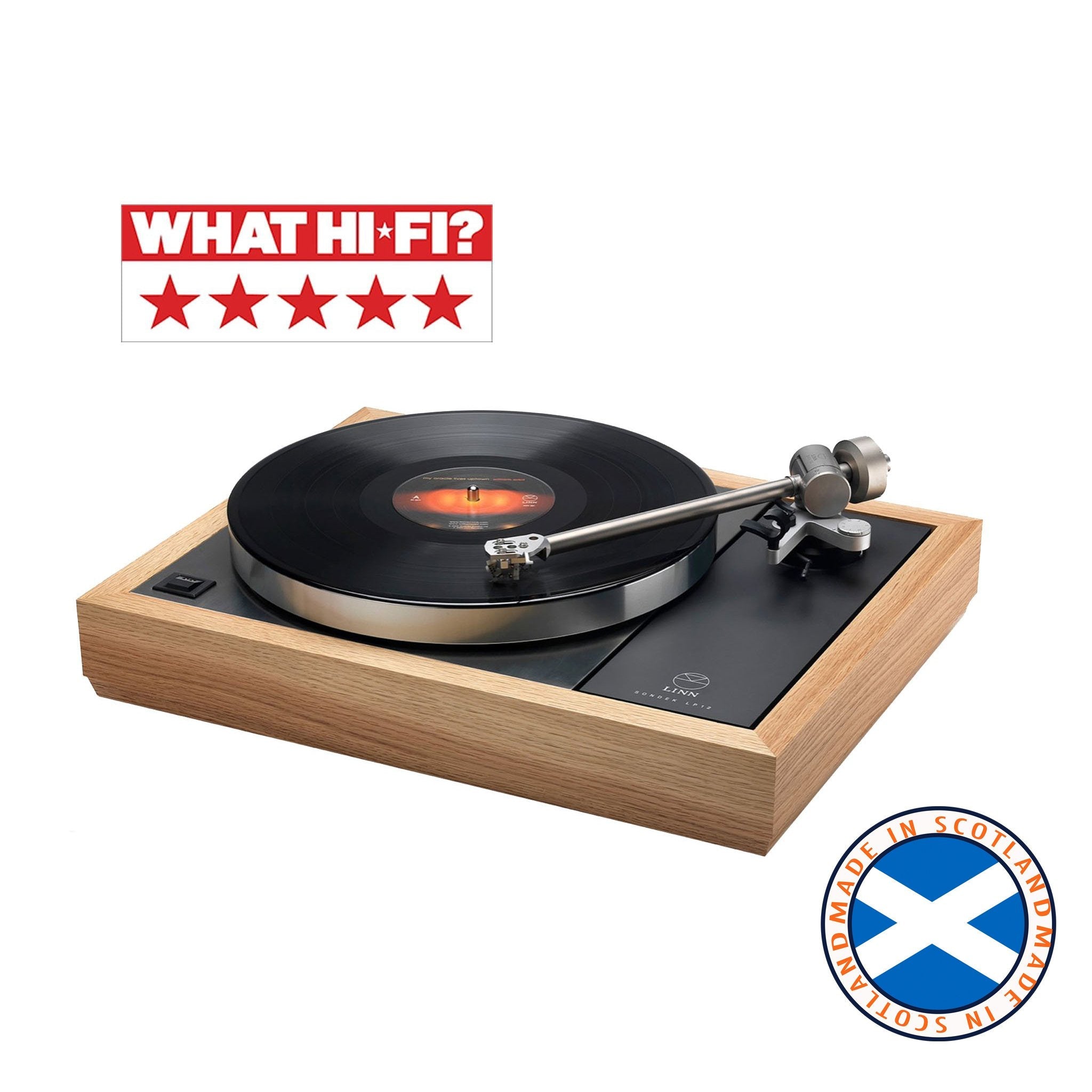
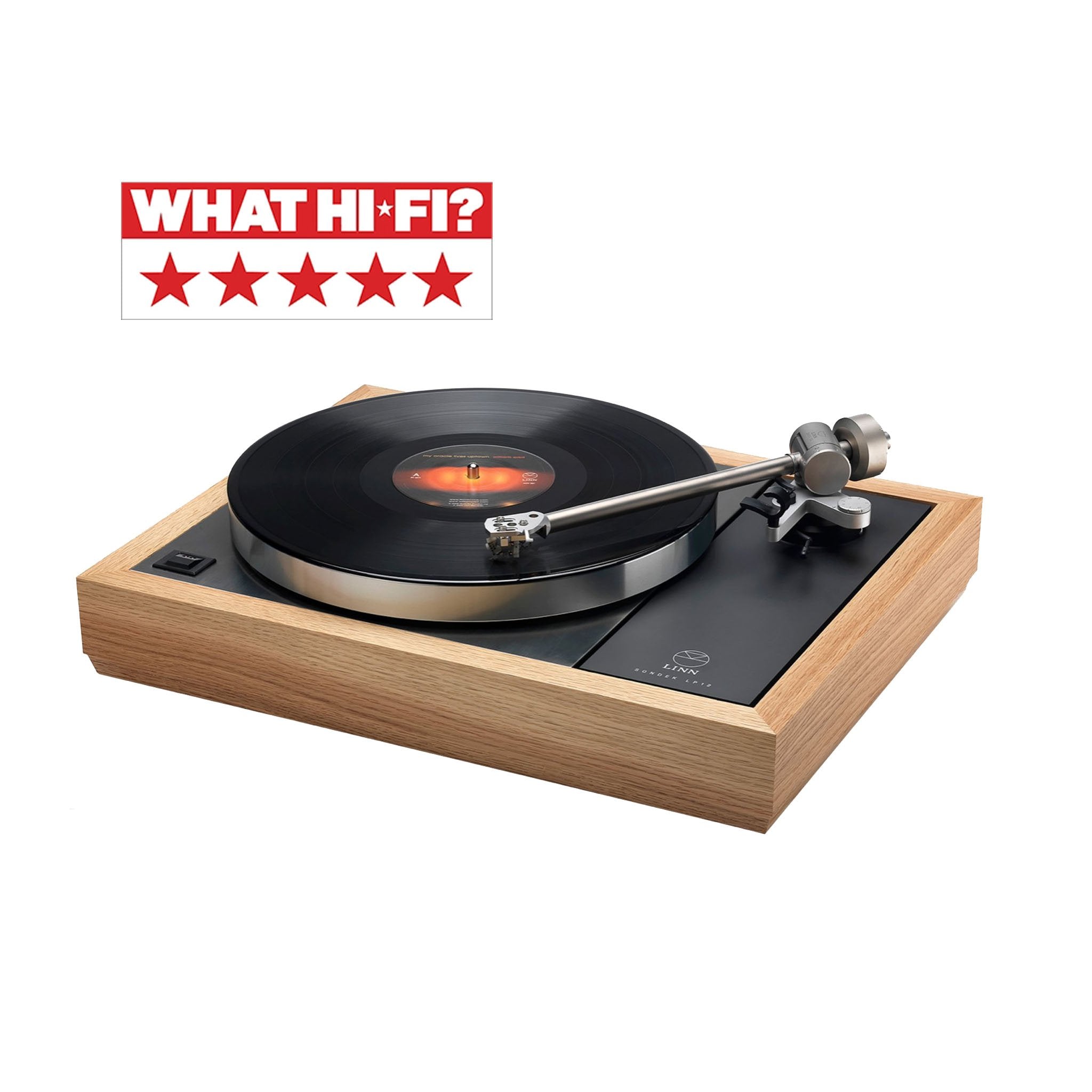
Linn Products was founded in 1973 by Ivor Tiefenbrun to produce the Linn Sondek LP12 turntable.

Unsatisfied with the performance of the hi-fi system he purchased shortly after getting married, Ivor started to experiment and discovered that that the turntable was being adversely influenced by the changes in sound pressure of the loudspeakers. He established this fact simply by putting the turntable outside his living room and listening with the signal leads passing under the door. It sounded much better and much more musically accurate and involving than when the turntable was located inside the same room.

At that time he was working for his father Jack Tiefenbrun’s engineering company, Castle Precision Engineering Ltd., so he set out to use that resource to make a turntable that wasn’t adversely influenced by the loudspeakers. With the assistance of his father, who designed a very quiet-running central bearing, and a group of skilled colleagues, he succeeded in making an LP record playing turntable that was immune to acoustic feedback from the loudspeakers. It was also precision-engineered to a very high standard to enable more music information to be extracted from the record groove

The turntable, which he eventually named the Linn Sondek LP12, looked the same as most other turntables, but almost every component had a different purpose. Crucially, the suspension was optimised for acoustic isolation instead of shock resistance. With it, Ivor proved for the first time that a better turntable improved the sound of any hi-fi system. Obvious in retrospect, and taken for granted today, the notion of “garbage in, garbage out” (also called “source-first”) in a hi-fi system was a challenge to the conventional wisdom of the day, which held that the loudspeaker was the most important part of the hi-fi system.

Aware of the great scope for loss in the record playback process, and the impossibility of ensuring a perfect result, Ivor designed his turntable in a modular way, so that all the key elements could be developed and improved over time, taking advantage of new innovations and technologies, and retrofitted. This meant that both existing and new customers could benefit as his company Linn’s knowledge and capability improved. A modular, upgradeable and expandable system architecture fostered sustainable long-term relationships with customers and enabled the LP12 to have the longest possible model life. It is in fact still in production at Linn today, although virtually every part has been improved and upgraded from the original design.